Remote Access Fraud Protection
Real-time detection of remote-controlled access
Detect remote access fraud as it unfolds, expose attacker-controlled sessions that look legitimate, and protect customers and employees from account takeover driven by remote access tools.
How do you stop remote desktop takeover when session indicators seem legit?

Be Ready for
Remote Access Setups
What’s the easiest way for an attacker to take control? Convince customers that remote access is part of legitimate support. Once connected, every action looks authorized.

What if you could
Detect Remote Access as it Happens
- Spot remote-control activity when users interact with your site, before credentials are exposed
- Flag session anomalies and device inconsistencies that indicate remote manipulation
- Get risk signals for treating seemingly legitimate remote-controlled sessions as compromised
Finally
Bust the trust trap
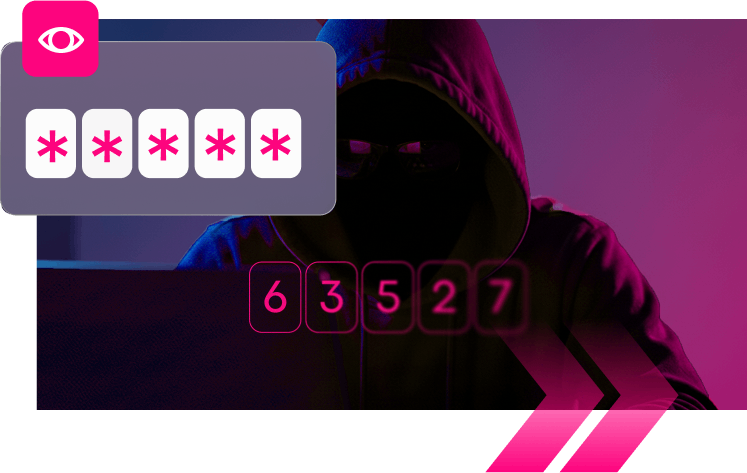
What happens when attackers gain control with full user approval? Social engineering turns trust into camouflage, making remote controlled sessions seem legitimate.
What if you could
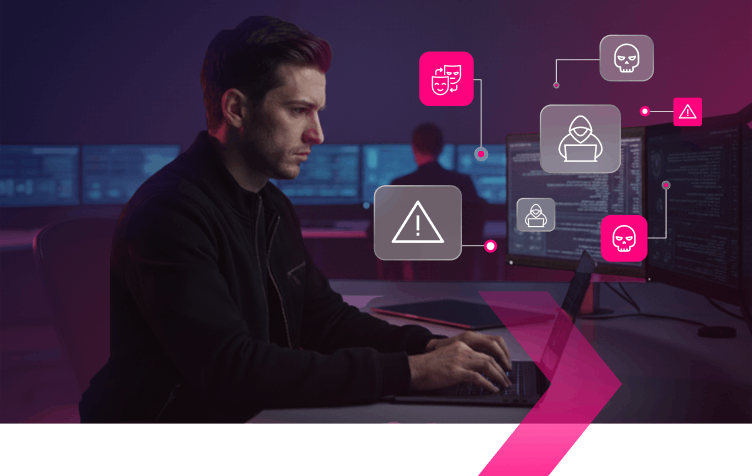
Expose when control shifts to a third party and neutralize what they capture?
- Detect conflicting signals that indicate third-party control, even when activity looks normal
- Correlate attacker control to the affected user and device, in real time
- Identify the affected user and the device involved in real time, enabling targeted response
Guard Against
Credential Play
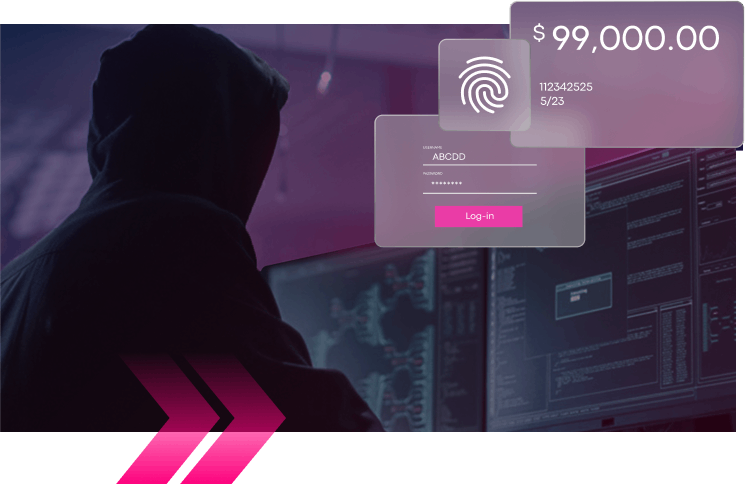
What happens after attackers gain access? They reuse captured credentials across accounts and services, where each attempt appears to come from a trusted user.

What if you could
Stop Credential Replay in Real Time, and turn it into intelligence?
- Detect reuse attempts from devices previously linked to remote-access activity
- Neutralize exposed credentials through decoy substitution at authentication
- Deliver verified device and victim signals to fraud and SOC teams for fast, targeted action
Detect remote access attacks
as they unfold
With Memcyco
Identify remote control as it becomes active during live interaction on your site
Expose attacker control hidden inside seemingly legitimate sessions
Trigger protective actions only when remote manipulation is confirmed
Without Memcyco
Rely on logs, traffic analysis, or transaction monitoring after compromise
Treat attacker-controlled activity as legitimate user behavior
Disrupt genuine users or miss fraud entirely due to low-confidence signals
Discover why global brands replace their previous solution with Memcyco
Fight the invisible, with real-time remote desktop takeover detection
Mean time to
detection (MTTD)
Near-zero
Reduce blind
sessions to
Zero
Cut investigation
overheads
From day one
Already solving remote access fraud? Solve more


Man in the Middle (MiTM) Protection


Credential Stuffing


Fake e-shops, purchase scams, gift card scams

Time for a Demo
Discover why others choose Memcyco
See Memcyco’s ‘Next Big Thing in Tech’ innovations in action.
-
See the attacker before the damage starts
-
Turn attacks into actionable real-time
-
Stop remote-controlled sessions before accounts are taken over
Frequently asked questions
How can you detect malicious remote access without blocking legitimate IT support?
Memcyco does not block remote tools or rely on application signatures. Instead, it detects when remote control intersects with sensitive interaction on the protected site.
Legitimate IT support sessions are automatically learned and suppressed over time.
Malicious sessions are identified only when remote control is active during authentication or high-risk interaction, and correlated with device history and session context.
This avoids false positives while exposing attacker control only when it creates real risk.
Why do trusted devices and IP rules fail against remote access scams?
Remote access scams originate from the victim’s own device and network.
- The device fingerprint matches a known trusted profile
- The IP address is the victim’s residential connection
- MFA succeeds because the victim is present
Traditional controls see a legitimate user.
Memcyco closes this blind spot by detecting remote control activity during live interaction, revealing when control of a trusted device has silently shifted to a third party.
How does Memcyco detect attacker control without behavioral biometrics?
Memcyco does not analyze typing cadence, mouse dynamics, or post-login behavior.
Instead, it detects technical indicators of remote control at the browser and session level, and correlates them with:
- device continuity
- session integrity
- authentication context
- known ATO and impersonation signals
This allows Memcyco to expose attacker-controlled access without monitoring user behavior or transactions, preserving privacy and reducing false positives.
Does Memcyco inspect network traffic or remote desktop protocols?
No. Memcyco does not monitor network traffic, ports, DNS, or remote desktop protocols.
Detection occurs entirely at the protected site, using browser-level and device-level telemetry when users interact with your application.
This avoids dependency on network visibility, endpoint agents, or SSL inspection, and works equally for web-based and native remote tools.
How does Memcyco decide when to trigger protective actions?
Protective actions are triggered only when multiple high-confidence signals indicate probable attacker control during sensitive interaction.
Signals are correlated across:
- remote control indicators
- device history
- session anomalies
- known fraud patterns
This ensures warnings or protections are activated only when manipulation risk is high, avoiding disruption of legitimate support sessions or normal user activity.
How does Memcyco prevent replay and escalation after remote access attacks?
When stolen credentials are replayed, Memcyco:
- detects reuse attempts from attacker-linked devices
- substitutes exposed credentials with decoys at authentication
- delivers verified victim and device intelligence to fraud and SOC systems
This prevents escalation across accounts and converts each replay attempt into high-fidelity intelligence for containment and investigation.